


Service Overview
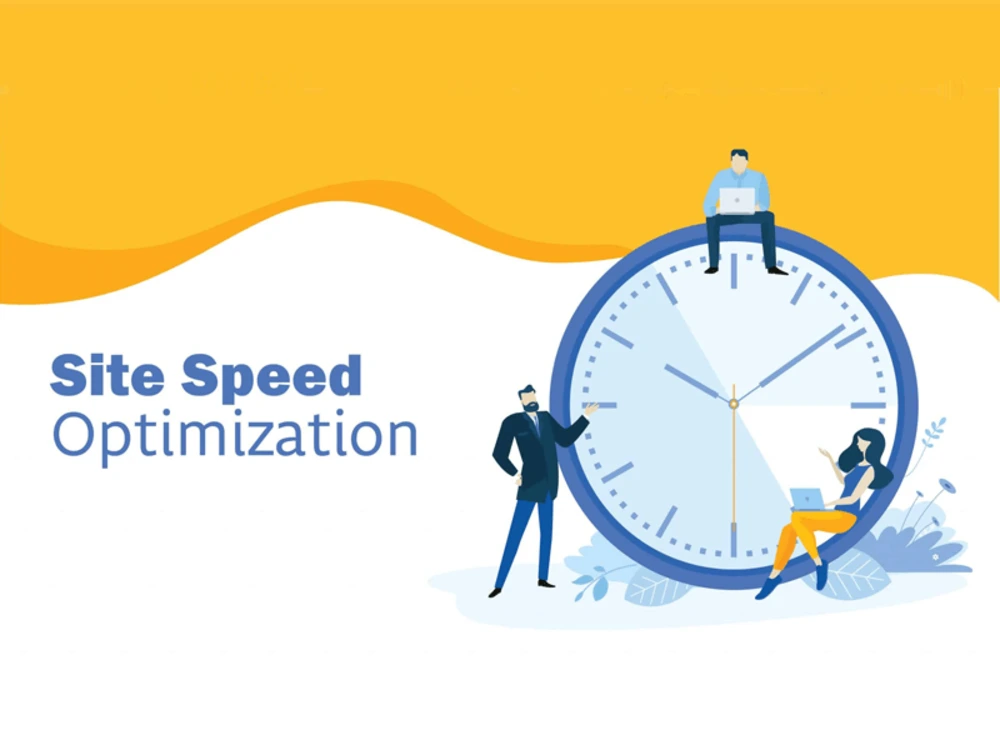
Improve your WordPress website’s loading performance with a structured speed optimization service focused on identifying performance bottlenecks, reducing unnecessary resource usage, and improving the browsing experience.
This digital website optimization service begins with a performance assessment to establish baseline measurements and identify areas for improvement. Optimization work may include caching configuration, image optimization, CSS and JavaScript improvements, database cleanup, and frontend resource optimization.
Whether you operate a business website, blog, portfolio, educational platform, or service-based website, the service is tailored to your existing WordPress configuration, hosting environment, and performance requirements.
Performance measurements are compared before and after optimization to document the changes and evaluate their results.
All work is performed remotely and delivered digitally through approved website optimizations, performance reports, and agreed technical documentation.
Available Services
- WordPress Page Speed Optimization: Improve loading performance by identifying and addressing agreed technical bottlenecks.
- Website Performance Audit: Evaluate the current website configuration and establish baseline performance measurements.
- Core Web Vitals Optimization: Investigate opportunities to improve loading responsiveness, visual stability, and interaction performance.
- WordPress Cache Configuration: Configure compatible caching solutions based on the hosting environment.
- Image Optimization: Improve image loading through appropriate compression, sizing, and format selection.
- CSS Optimization: Reduce unnecessary stylesheet loading and improve CSS delivery where technically appropriate.
- JavaScript Optimization: Review and optimize script loading, execution, and unnecessary frontend resources.
- Database Optimization: Perform approved database cleanup and identify inefficient database operations.
- Plugin Performance Review: Identify plugins contributing to excessive resource usage or frontend loading.
- Theme Performance Improvements: Review and optimize agreed theme-related performance issues.
- Lazy Loading Configuration: Configure deferred loading for suitable images, media, and other supported resources.
- Page Builder Performance Optimization: Improve loading behavior for supported page builder layouts.
- Server Response Analysis: Review available server response metrics and identify potential hosting-related limitations.
- Performance Testing & Reporting: Compare relevant performance measurements before and after optimization.
Supported Website Types
WordPress performance optimization services are suitable for:
- Business Websites
- Educational Websites
- Entertainment Websites
- Nonprofit Websites
- Blogs
- Portfolio Websites
- Wedding Websites
- Form-Based Websites
- Web Portals
- Digital Brochure Websites
- Professional Service Websites
- Informational Websites
- Content Publishing Websites
- Small Business Websites
Additional WordPress website types may be supported depending on their architecture, hosting environment, and technical requirements.
Supported Plugin & Feature Categories
Performance optimization may involve WordPress components related to:
- Social Media Integration
- Image Galleries
- Marketing Tools
- Website Analytics
- Video Embedding
- Event Management
- E-commerce Functionality
- Shipping Configuration
- Discussion Forums
- Audio and Music Content
- Payment Gateway Integration
- Contact Forms
- Live Chat
- Interactive Maps
- Membership Management
- FAQ Sections
- Customer Support Features
- Inventory Management
- SEO Configuration
- Website Caching
- Page Builders
The optimization approach depends on the installed plugins, their compatibility, and the functional requirements that must be preserved.
Third-party software or integrations will not be disabled or removed without the customer’s approval when doing so could affect required website functionality.
What’s Included
Depending on the selected package and confirmed project scope, your order may include:
- Initial WordPress performance assessment
- Baseline speed testing
- Review of selected website pages
- Hosting and server configuration assessment
- Theme and plugin performance review
- Caching configuration
- Image optimization
- Lazy loading adjustments
- CSS loading improvements
- JavaScript loading improvements
- Font loading optimization
- Database cleanup, where appropriate
- Basic resource loading optimization
- Performance-related troubleshooting
- Functional testing after changes
- Before-and-after performance comparison
- Revisions within the agreed allowance
- Digital performance report
- Final website handover
The number of pages, optimization techniques, testing requirements, revision allowance, and expected completion schedule will be confirmed before work begins.
Initial Website Performance Audit
The optimization process begins with an assessment of the existing website.
The audit may review:
- Page loading behavior
- Initial server response
- Render-blocking resources
- CSS and JavaScript loading
- Image sizes and formats
- Font loading
- Cache configuration
- Theme resource usage
- Plugin-related frontend assets
- Database performance indicators
- Third-party scripts
- Core Web Vitals
- Mobile and desktop performance
Baseline measurements will be recorded before significant optimization changes are made.
Testing conditions and selected pages should remain consistent during the before-and-after comparison.
The performance report will identify the main issues found and the optimization tasks selected for implementation.
Core Web Vitals Optimization
Core Web Vitals provide measurements related to loading performance, interaction responsiveness, and visual stability.
Relevant metrics include:
- Largest Contentful Paint (LCP): Measures the loading performance of the largest visible content element.
- Interaction to Next Paint (INP): Measures responsiveness to user interactions.
- Cumulative Layout Shift (CLS): Measures unexpected visual layout movement.
Optimization work may include:
- Improving delivery of important page resources
- Reducing unnecessary JavaScript execution
- Optimizing large images
- Improving font loading behavior
- Reducing layout shifts
- Reviewing third-party scripts
- Improving caching configuration
- Identifying server-related bottlenecks
Core Web Vitals results depend on the website, hosting environment, user devices, network conditions, and available measurement data.
Specific metric values are not guaranteed unless measurable targets are separately agreed upon.
WordPress Caching Optimization
Caching can help reduce repeated processing and improve delivery of appropriate website resources.
Depending on the hosting environment, optimization may include:
- Page cache configuration
- Browser caching settings
- Object caching assessment
- Cache expiration rules
- Cache exclusions
- Static asset caching
- Cache compatibility review
- Cache testing
Caching rules must account for dynamic website functionality.
Pages containing user-specific or sensitive information, such as account areas or checkout sessions, may require appropriate cache exclusions.
The selected caching approach will depend on server capabilities and installed WordPress components.
Image & Media Optimization
Images and media can significantly affect page loading performance.
Optimization may include:
- Image size review
- Image compression
- Responsive image configuration
- Modern image format assessment
- Lazy loading
- Image dimension corrections
- Removal of unnecessary image loading
- Thumbnail size review
- Background image optimization
- Media loading improvements
Image optimization will balance file size, visual quality, and compatibility with the website’s intended use.
Original image assets should be backed up before bulk modifications when appropriate.
CSS & JavaScript Optimization
Frontend resource optimization focuses on reducing unnecessary loading and processing.
Available improvements may include:
- CSS delivery review
- Unused stylesheet identification
- CSS minification, where appropriate
- JavaScript minification, where appropriate
- Script loading adjustments
- Deferred loading of suitable scripts
- Resource dependency review
- Font loading improvements
- Reduction of unnecessary frontend assets
- Third-party script assessment
Changes will be tested to avoid breaking required website functionality.
Some scripts must load in a specific order or remain active for interactive components to function correctly.
Aggressive optimization techniques will not be applied where they create unacceptable compatibility risks.
WordPress Database Optimization
Database-related optimization may include:
- Review of database size
- Expired transient cleanup
- Unnecessary revision cleanup, where approved
- Spam and trash cleanup
- Autoloaded options assessment
- Database table review
- Query performance investigation
- Basic database maintenance
Database modifications will be performed only within the agreed scope.
A suitable database backup should be created or verified before significant cleanup operations.
Complex query optimization, database restructuring, and custom plugin redevelopment may require separate work.
Theme & Plugin Performance Review
Themes and plugins can affect both frontend and server-side performance.
The review may include:
- Installed plugin assessment
- Frontend asset loading
- Excessive script requests
- Unnecessary stylesheet loading
- Plugin conflicts
- Theme loading behavior
- Page builder resource usage
- Compatibility with caching
- Relevant database queries
- Third-party network requests
Recommendations may include configuration changes, replacing inefficient functionality, or removing unused components.
Any changes affecting existing features will require customer approval.
Website Optimization Workflow
- Project Discovery: Review the website, business requirements, and performance concerns.
- Scope Confirmation: Establish the pages to optimize, measurement criteria, deliverables, revision allowance, and schedule.
- Baseline Testing: Record initial performance measurements under agreed testing conditions.
- Technical Assessment: Review the hosting environment, WordPress configuration, theme, plugins, and frontend resources.
- Backup Preparation: Create or verify a suitable backup before significant modifications.
- Optimization Planning: Identify relevant bottlenecks and determine appropriate improvements.
- Caching & Resource Optimization: Apply the agreed caching, CSS, JavaScript, image, and loading adjustments.
- Database Optimization: Perform approved database maintenance where appropriate.
- Functional Testing: Verify important website functionality after changes.
- Performance Retesting: Measure the optimized website using comparable testing conditions.
- Results Review: Compare performance measurements before and after optimization.
- Final Corrections: Address eligible issues within the agreed project scope.
- Digital Reporting: Prepare the optimization summary and technical recommendations.
- Website Handover: Provide the completed optimization results and relevant documentation.
What I Need From You
To begin your WordPress speed optimization project, please provide:
- Website URL
- Type of website
- Main performance concerns
- Pages requiring optimization
- Preferred testing environment
- Target devices
- Existing speed test results, if available
- WordPress version, if known
- Current theme and version
- Relevant plugin information
- Hosting provider or server environment
- Current caching configuration
- Content delivery network information, if applicable
- Important website functionality that must remain unchanged
- Existing technical issues
- Available website backups
- Staging environment access, if available
- WordPress administrator access, where necessary
- Hosting or file access, where required
- Preferred completion date
- Any additional technical requirements
For accurate comparison, please identify the most important pages, such as the homepage, landing pages, blog pages, or other business-critical URLs.
Sensitive credentials should be shared only through an approved secure method.
Temporary accounts with the minimum necessary permissions are recommended where practical.
Passwords, API secrets, and hosting credentials should not be placed in publicly accessible order notes.
Final Deliverables & File Formats
The completed speed optimization service will be delivered digitally through approved website improvements and performance documentation.
Depending on the confirmed scope, deliverables may include:
- Optimized WordPress website
- Configured caching settings
- Improved image loading
- CSS and JavaScript loading adjustments
- Font loading improvements
- Approved database cleanup
- Theme and plugin performance adjustments
- Functional testing results
- Baseline performance measurements
- Post-optimization measurements
- Before-and-after comparison
- Technical optimization report
- Recommendations for further improvements
Available digital file formats may include:
- PDF: Performance audit, optimization summary, and before-and-after report.
- CSV: Performance measurement data, where available.
- JSON: Performance testing results or configuration exports, where supported.
- TXT: Technical notes or optimization records.
- ZIP: Backup files or agreed configuration assets.
- PHP: Custom WordPress code adjustments, where included.
- CSS: Stylesheet optimization changes, where included.
- JS: JavaScript optimization changes, where included.
Not every project requires all listed formats.
For optimization performed directly on an existing website, the primary deliverable is the implemented website improvement and the agreed performance report.
This is a digital website optimization service. No physical products, printed materials, or shipping services are included.
Service Turnaround Time
The estimated completion time depends on the website architecture, number of pages, hosting environment, and severity of identified performance problems.
The project schedule may include:
- Website assessment
- Baseline performance testing
- Technical bottleneck investigation
- Backup preparation
- Caching configuration
- Frontend optimization
- Image and media optimization
- Database maintenance
- Functional testing
- Performance retesting
- Customer review
- Included revisions
- Final reporting and handover
The expected turnaround time will be confirmed before work begins.
The agreed service period starts after the required website access, project requirements, and technical information have been received and verified.
Complex themes, extensive third-party scripts, hosting limitations, custom plugins, or existing technical issues may require additional investigation and development time.
Delayed customer feedback or significant changes to the approved scope may affect the completion schedule.
Performance Measurement & Acceptance Criteria
Performance results will be evaluated using the agreed pages, metrics, and testing conditions.
The measurement process may include:
- Initial performance assessment
- Documentation of baseline results
- Identification of optimization opportunities
- Implementation of approved improvements
- Functional testing
- Post-optimization measurement
- Comparison of relevant metrics
Performance results can fluctuate due to network conditions, server load, caching state, test location, and other external factors.
A specific score, percentage improvement, or loading time will not be guaranteed unless the project includes clearly defined and technically achievable acceptance criteria.
Any performance-based payment or refund arrangement must be expressly documented in the selected service agreement before work begins.
Revision Policy
The service includes the number of revision rounds specified in the selected package or confirmed before optimization begins.
A revision round consists of one consolidated set of customer feedback submitted for the current implementation.
Included corrections may cover:
- Cache configuration adjustments
- Minor image loading refinements
- CSS or JavaScript compatibility corrections
- Font loading adjustments
- Corrections to optimization-related display issues
- Fixes for functionality affected by the implemented changes
- Minor configuration refinements
- Technical corrections required to meet the agreed acceptance criteria
Revisions apply to the approved optimization scope.
Requests for complete website redesigns, new features, advanced server development, or unrelated technical problems may require additional work.
Defects caused by the delivered optimization changes will be addressed according to the agreed acceptance and defect-correction terms.
Additional revision rounds may be arranged subject to an approved fee.
Project Start Requirements
The WordPress speed optimization project begins once the following conditions have been satisfied:
- The service order has been placed and the required payment has been confirmed according to the agreed payment terms.
- The website and optimization scope have been identified.
- The target pages have been confirmed.
- The performance metrics and testing conditions have been established.
- The existing WordPress environment has been reviewed.
- The necessary administrator or hosting access has been provided.
- The backup and rollback arrangements have been confirmed.
- The included revision allowance has been agreed upon.
- The expected deliverables and acceptance criteria have been established.
- The estimated completion schedule has been confirmed.
Optimization work begins after the required technical information and access permissions have been verified.
Incomplete access, hosting restrictions, or unresolved technical dependencies may delay the project start date.
Digital Delivery Instructions
All WordPress performance optimization work is performed remotely and delivered electronically.
The digital delivery process includes:
- Completion of the approved optimization tasks.
- Functional verification of important website features.
- Post-optimization performance testing.
- Comparison with the recorded baseline results.
- Preparation of the optimization report.
- Customer review of the implemented improvements.
- Completion of eligible corrections.
- Electronic delivery of the agreed report and supporting files.
The completed website changes and digital documentation will be delivered through the method specified on the service purchase page or confirmed during the order process.
Customers should review the optimized website and report any reproducible functionality problems or missing deliverables within the agreed review period.
Ongoing website monitoring, maintenance, hosting administration, and repeated optimization are not included unless separately agreed.
No physical shipment or tangible products are provided.
Additional Fees & Scope Changes
Additional charges may apply when requested work exceeds the originally agreed optimization scope.
Examples include:
- Optimization of Additional Websites
- Additional Page Templates
- Complex Custom Theme Refactoring
- Custom Plugin Performance Development
- Advanced Database Query Optimization
- Server Infrastructure Changes
- Hosting Migration
- Content Delivery Network Configuration Beyond the Agreed Scope
- Advanced Object Cache Setup
- Extensive Image Processing
- Additional Third-Party Script Optimization
- Complex JavaScript Refactoring
- Major Website Redesign
- New Website Functionality
- Additional Performance Testing
- Additional Revision Rounds
- Extended Technical Documentation
- Ongoing Performance Monitoring
- Premium Optimization Plugin Licenses
- Hosting or External Subscription Fees
- Expedited Development Requests
- Significant Changes to the Approved Requirements
Any additional work, applicable fees, and revised delivery schedules will be communicated for customer approval before implementation.
No additional charges will be applied without prior agreement.
Security, Compatibility & Important Notes
- Optimization work follows the confirmed project scope and approved technical requirements.
- Baseline measurements should be recorded before significant optimization changes.
- Website backups are recommended before modifying caching, database, theme, or plugin configurations.
- A staging environment is recommended for complex or business-critical websites where available.
- Optimization techniques must preserve required website functionality.
- Aggressive caching or script optimization may cause compatibility issues if applied without suitable testing.
- Customer-specific pages and sensitive account information must not be exposed through inappropriate caching rules.
- Existing plugins, themes, and custom code may limit the available optimization options.
- Third-party services, external scripts, and hosting infrastructure can affect website performance.
- Performance scores can vary between test runs and testing environments.
- Core Web Vitals improvements do not automatically guarantee higher search engine rankings.
- No specific loading speed, conversion improvement, traffic increase, or search ranking is guaranteed unless an applicable measurable commitment is expressly agreed.
- Premium optimization plugins require valid licenses where applicable.
- Customers must maintain authorized access to their WordPress website and hosting environment.
- The service does not include a no-improvement, no-payment guarantee unless that arrangement is expressly defined in the purchase terms.
- Ongoing maintenance, security monitoring, and hosting management are not included unless separately agreed.
- All final deliverables are digital.
Ideal For
- Businesses with Slow WordPress Websites
- Small Business Website Owners
- Corporate Websites
- Blogs and Content Publishers
- Portfolio Websites
- Educational Platforms
- Nonprofit Organizations
- Entertainment Websites
- Wedding Websites
- Form-Based Websites
- Professional Service Providers
- Websites with Large Image Libraries
- Websites Using Multiple Plugins
- Websites Experiencing Slow Page Loading
- Businesses Seeking Better Mobile Performance
- Organizations Requiring WordPress Performance Audits
The objective is to improve WordPress website loading performance through measured technical optimization, compatibility-conscious implementation, and before-and-after performance reporting, providing practical digital improvements while preserving the website’s essential functionality.
Be the first to review “Professional WordPress Page Speed Optimization & Website Performance Improvement”
Related products

Development & IT
Secure WordPress Website Migration, Transfer & Duplication Services
Development & IT
Professional WordPress Website Design & Custom Development Services

Development & IT
Secure WordPress Website Migration with Minimal Downtime & Performance Optimization


Reviews
There are no reviews yet.